
Waves Exchange / Keeper Wallet · Crypto wallet & portfolio
A self-custody wallet and portfolio ecosystem
- Role
- Lead Product Designer
- Timeframe
- May 2022 – Oct 2024
- Results
- First-week activation34% → 71%Transaction drop-off70% → 30%Products launched4

Keeper started as a simple seed keeper on the Waves blockchain, live from 2018 to 2022. In 2022 the project was revived with a bigger ambition: a self-custody wallet and portfolio ecosystem with multi-chain support. I joined as Lead Product Designer to shape that ecosystem end to end, for an audience that ran from first-time holders to B2B and SaaS partners.
Goal
Turn several separate services into one product: the Keeper wallet (mobile app and browser extension), a portfolio manager (web app), a Swap widget with an aggregator protocol, and on-chain names. Each had its own surface and audience, and they all had to feel like a single product, held together by a shared design system.

- DeFi portfolio management
- Wallet connection
- Access to services on any chain
- A means to buy tokens
- Token transfer/swap

What I did
- Led and launched four products from scratch: the wallet, portfolio manager, exchange widget, and on-chain names for the Waves network.
- Built and documented the design system and source files, so a two-person team could ship without redrawing the basics each sprint.
- Analyzed and implemented a web-app path that let the company meet app-store legal requirements and get listed.
- Ran usability tests and user interviews, and applied use cases and JTBD to keep decisions grounded in user behavior.
- Led a team of two designers, running design reviews, demos, and product and engineering syncs, and owning reporting on design quality and delivery.
- Gathered requirements, built roadmaps, managed the backlog, and owned the product after handoff.
Working close to users surfaced a lot of interface friction. I tracked the Send and Swap funnels step by step and paired the metrics with user interviews to find where people stalled. The clearest win was transaction drop-off: we cut it from 70% to 30%, with most of the remaining cases being blockchain-level errors outside the interface. Alongside the broader product work, first-week activation from sign-up rose from 34% to 71%.
Design decision: one widget, embeddable everywhere. The exchange widget earned the most revenue through swap commissions, so we built it to embed on other blockchains and third-party sites, with the commission shared between us and whoever integrated it. That turned a single surface into a distribution channel that carried the product well beyond our own app.
Mobile
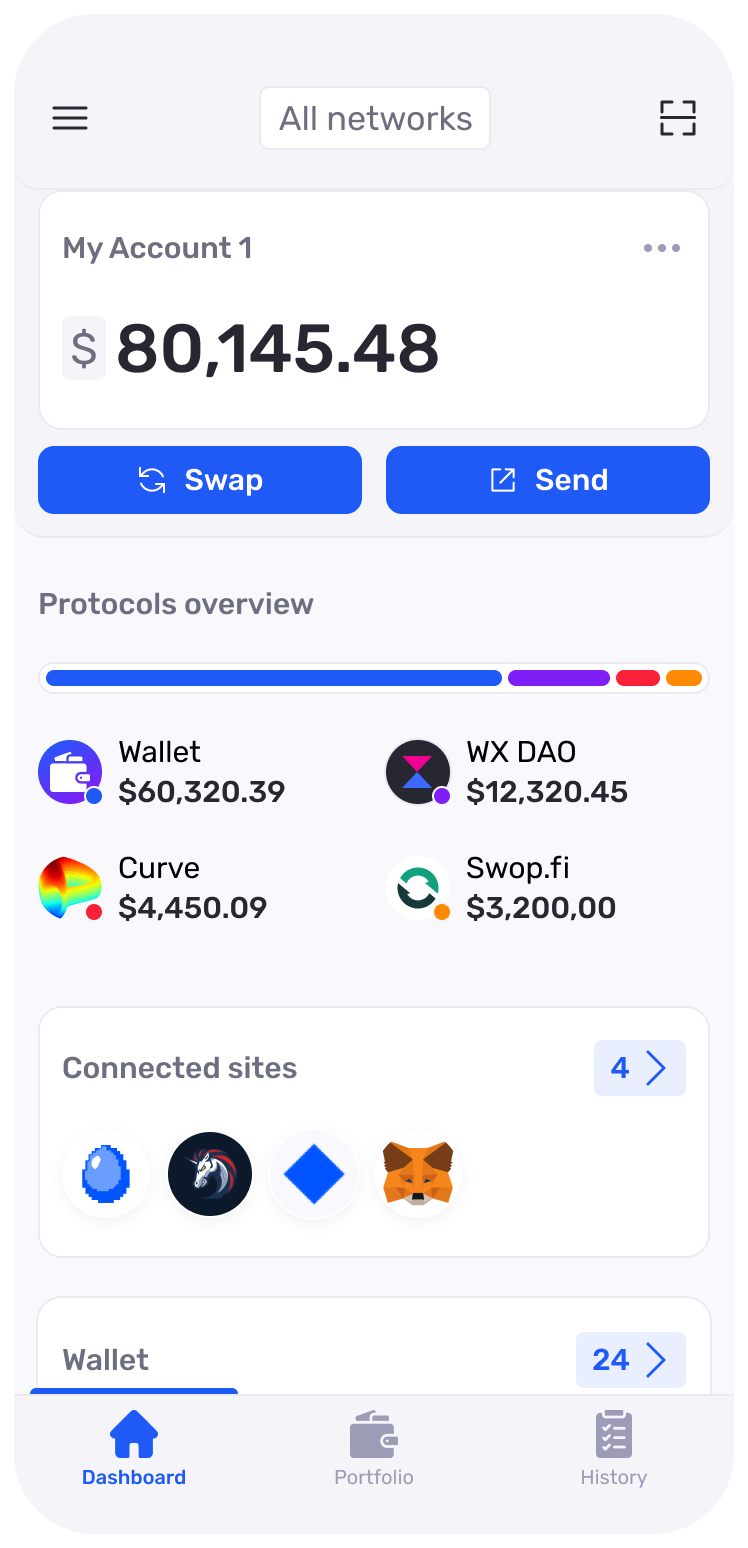
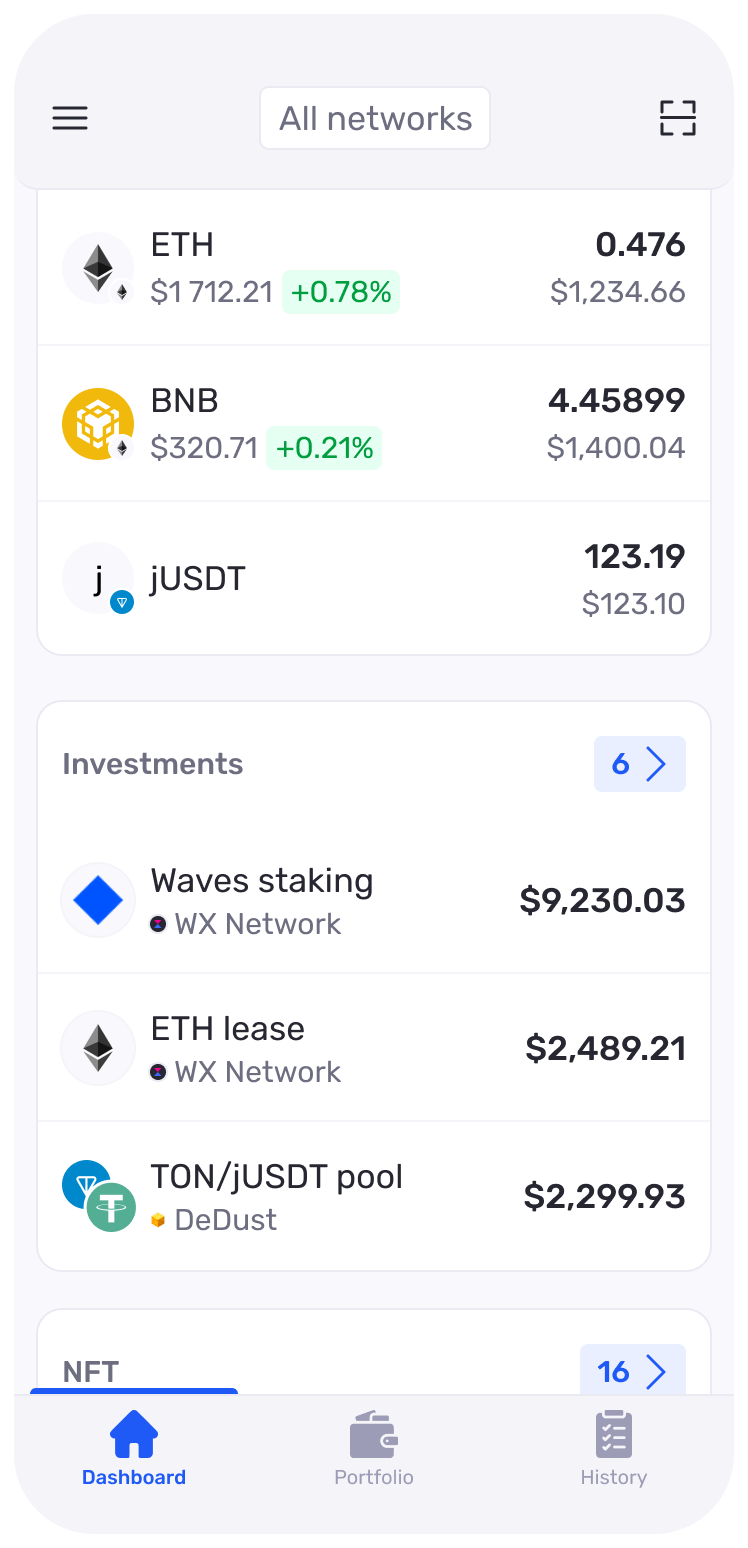
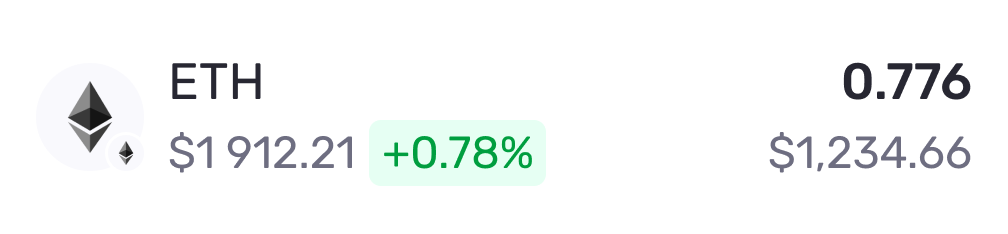
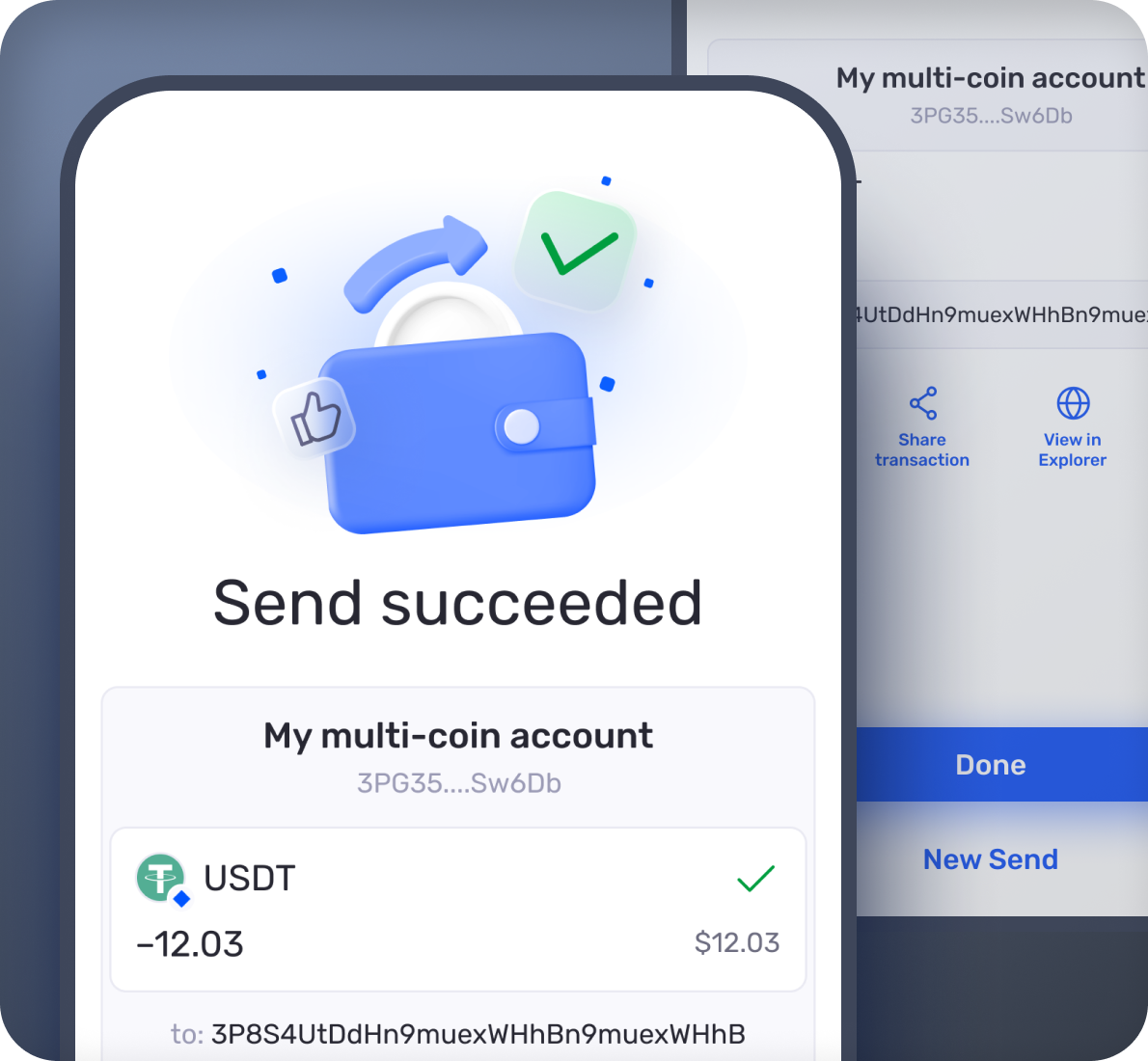
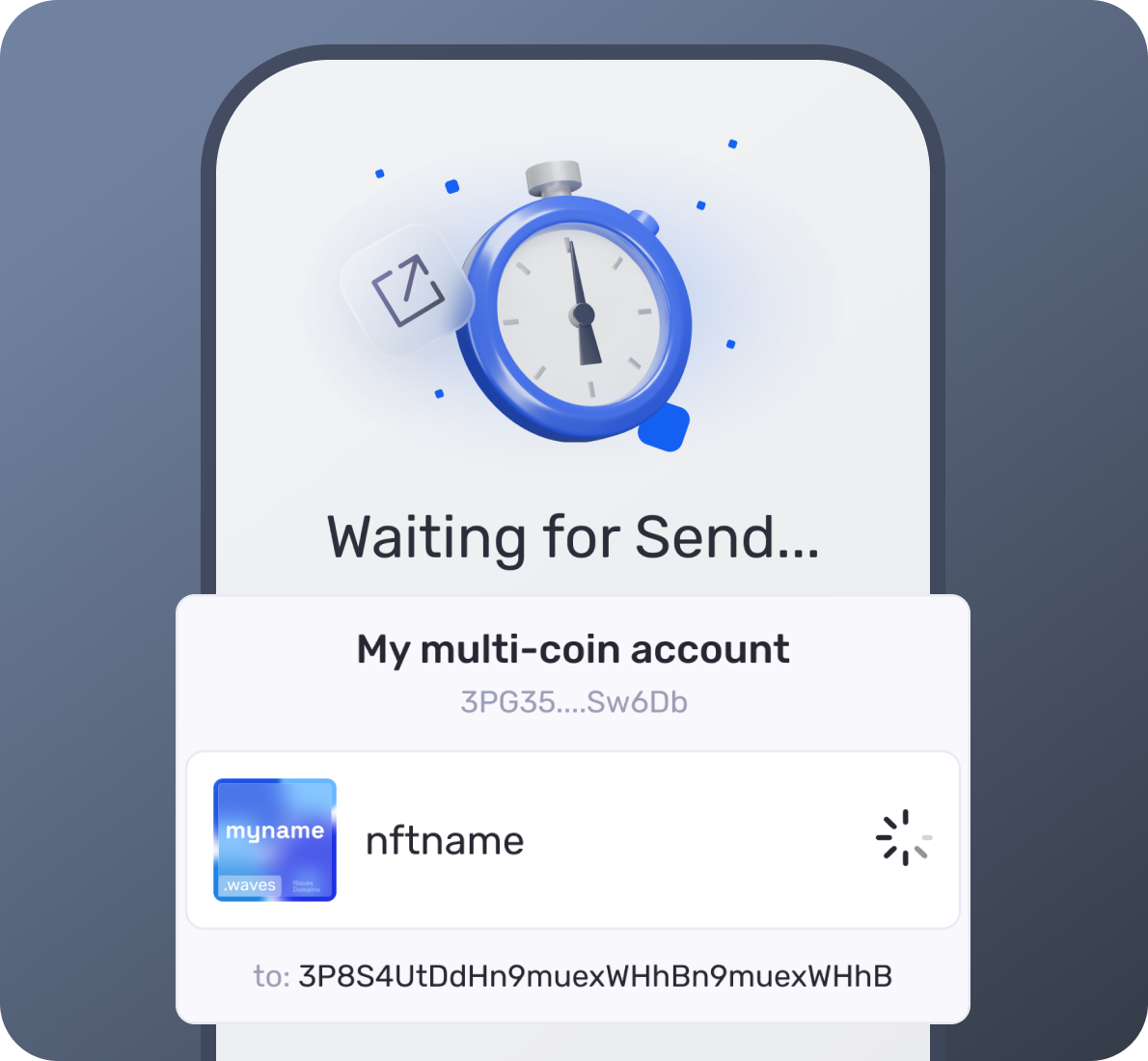
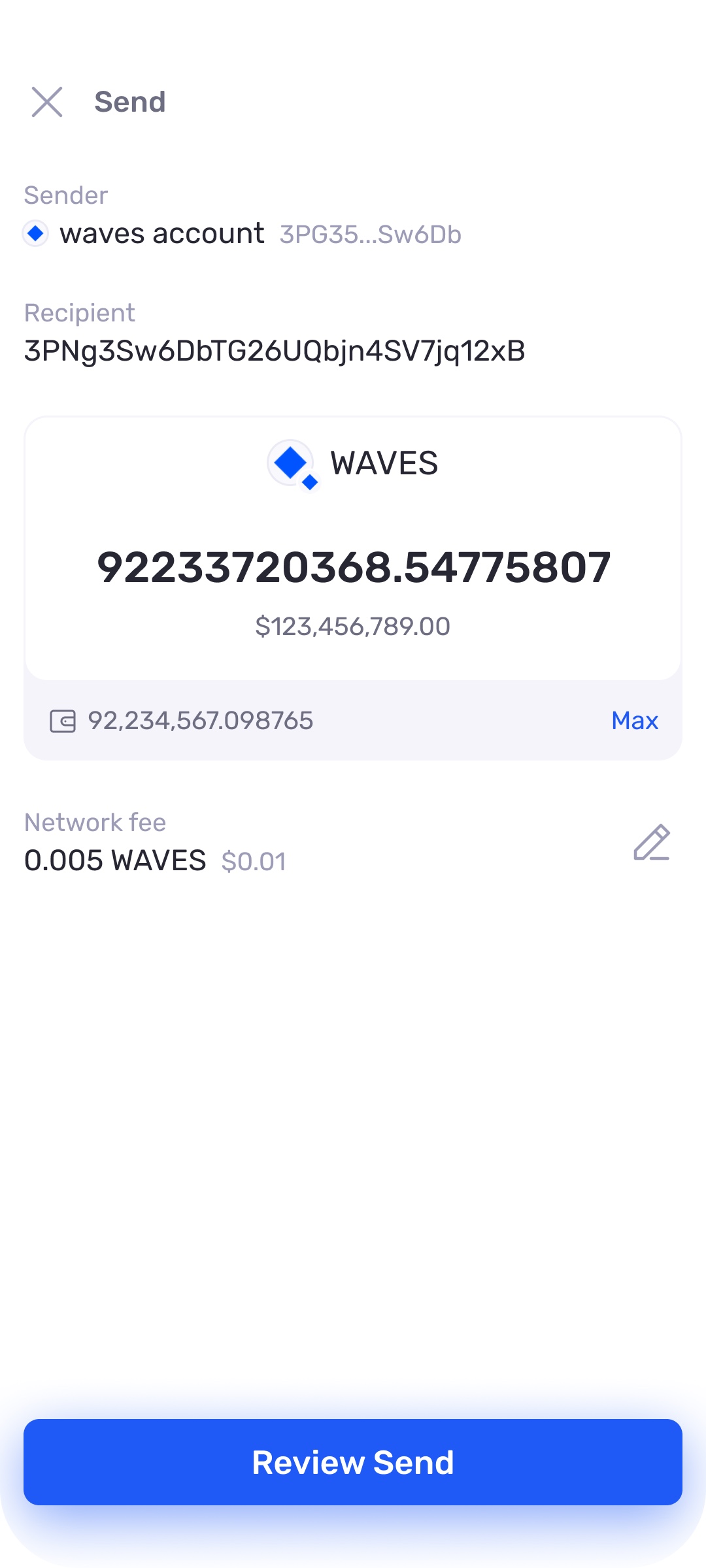
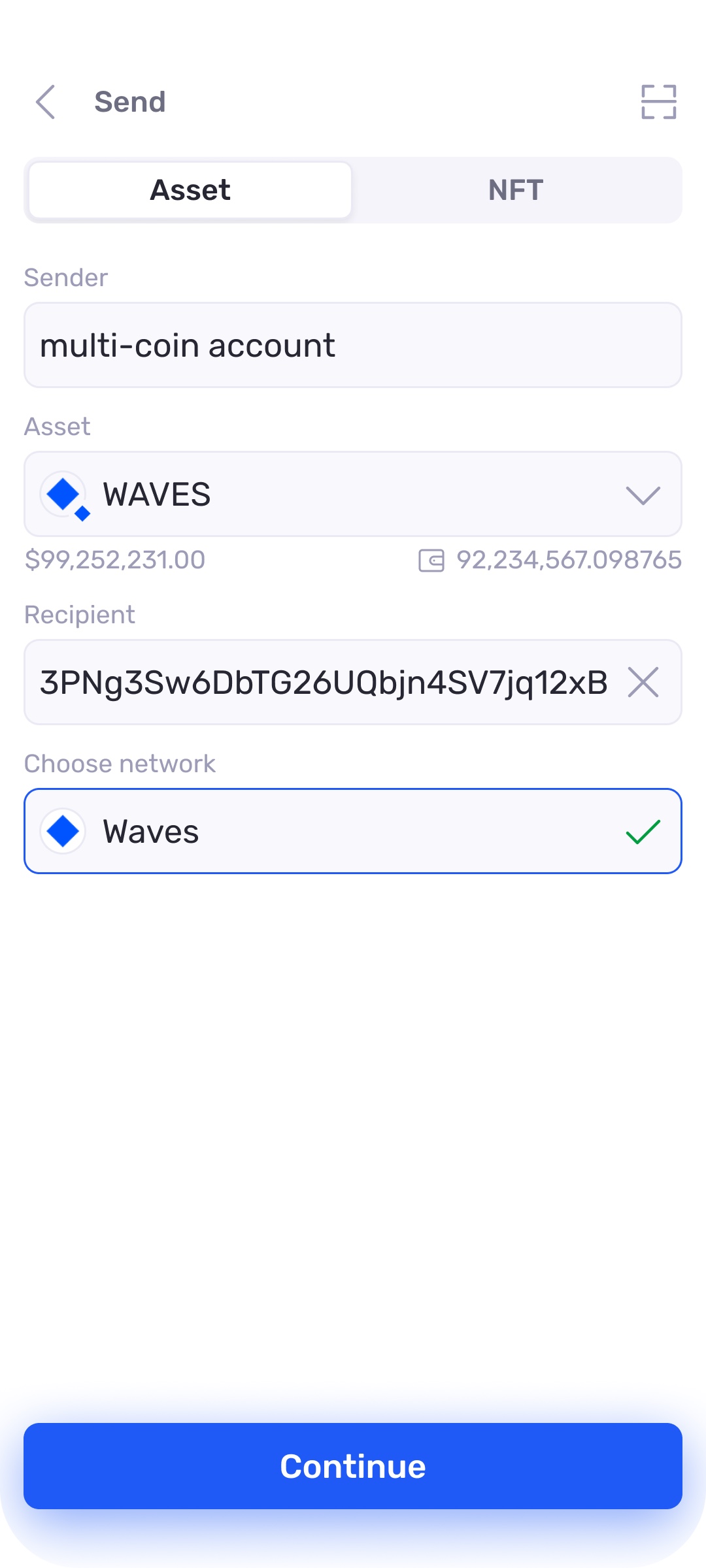
The mobile wallet: portfolio and investments at a glance, and the Send flow end to end, from picking an asset to the confirmation.
Send flow
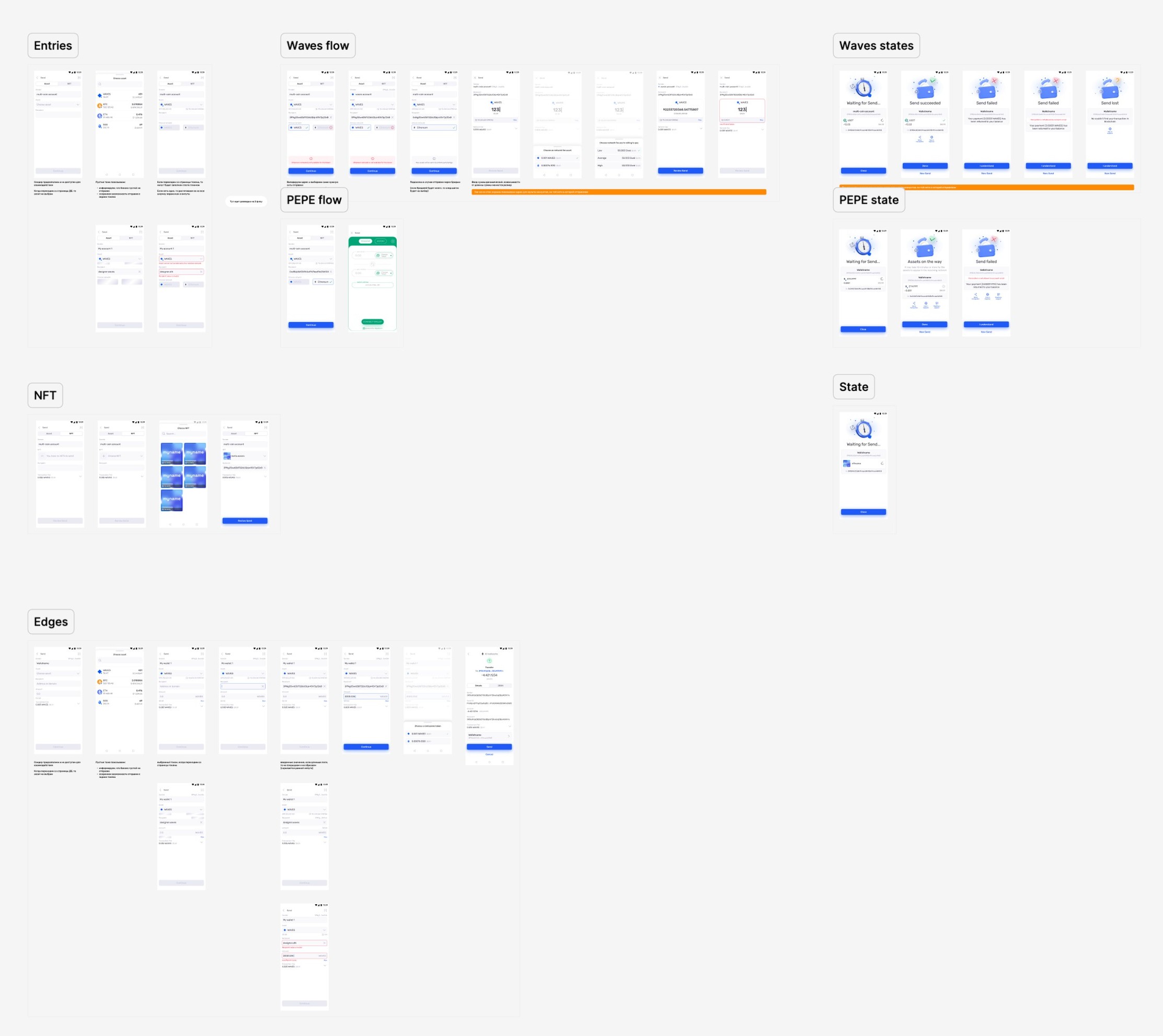
The full mobile Send flow, end to end: entries, the Waves and Ethereum network branches, NFTs, result states, and edge cases.
Web
Design decision: make the exchange widget embeddable. The swap widget was the biggest revenue driver, earning from swap commissions, so we designed it to be embedded on other blockchains and third-party sites, not just inside Keeper. Revenue was shared with whoever integrated it, which turned the widget into a distribution channel as well as the product's key surface.


On-chain names: the Waves Domains app, where users register a .waves name and link content to it.
Built in a weekend. The whole names product came out of a two-day team challenge: I shipped an end-to-end MVP concept, edge cases included, and we were collecting a waitlist by day two. The on-chain layer followed on its own track, and within a week Keeper became the first product to launch names on the Waves blockchain.


Impact
Insights
Speed is not always good. When a step validates money movement, a visible check builds more confidence than an instant result.
The main fear is trust. Transfers are irreversible, so every screen has to prove the product is careful before it asks people to act.
Keep the copy simple. Blockchain terms scare people; plain wording did more against drop-off than any visual change.


Behance
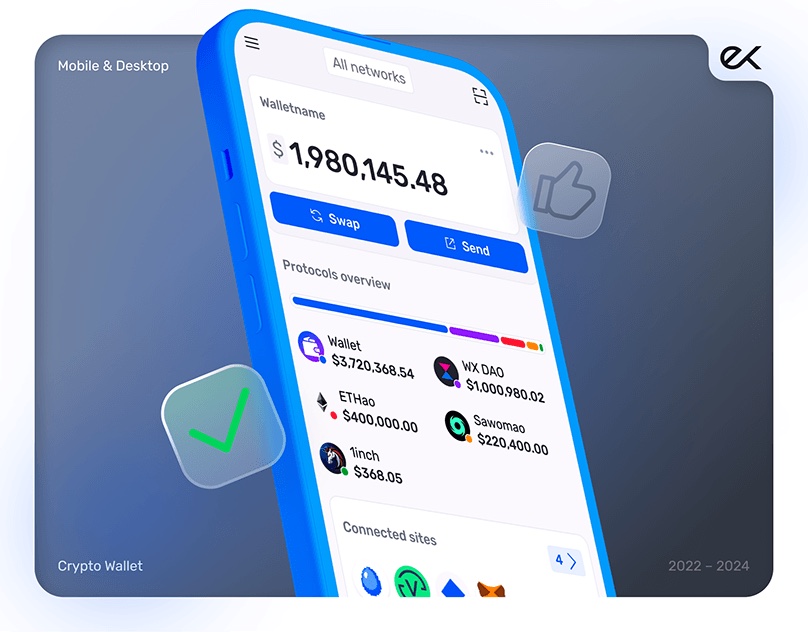
The full Keeper project, with more screens and detail, is on Behance.
 KeeperFull project on Behance